The Bowerbird Method™
A system for building
reputation and trust.
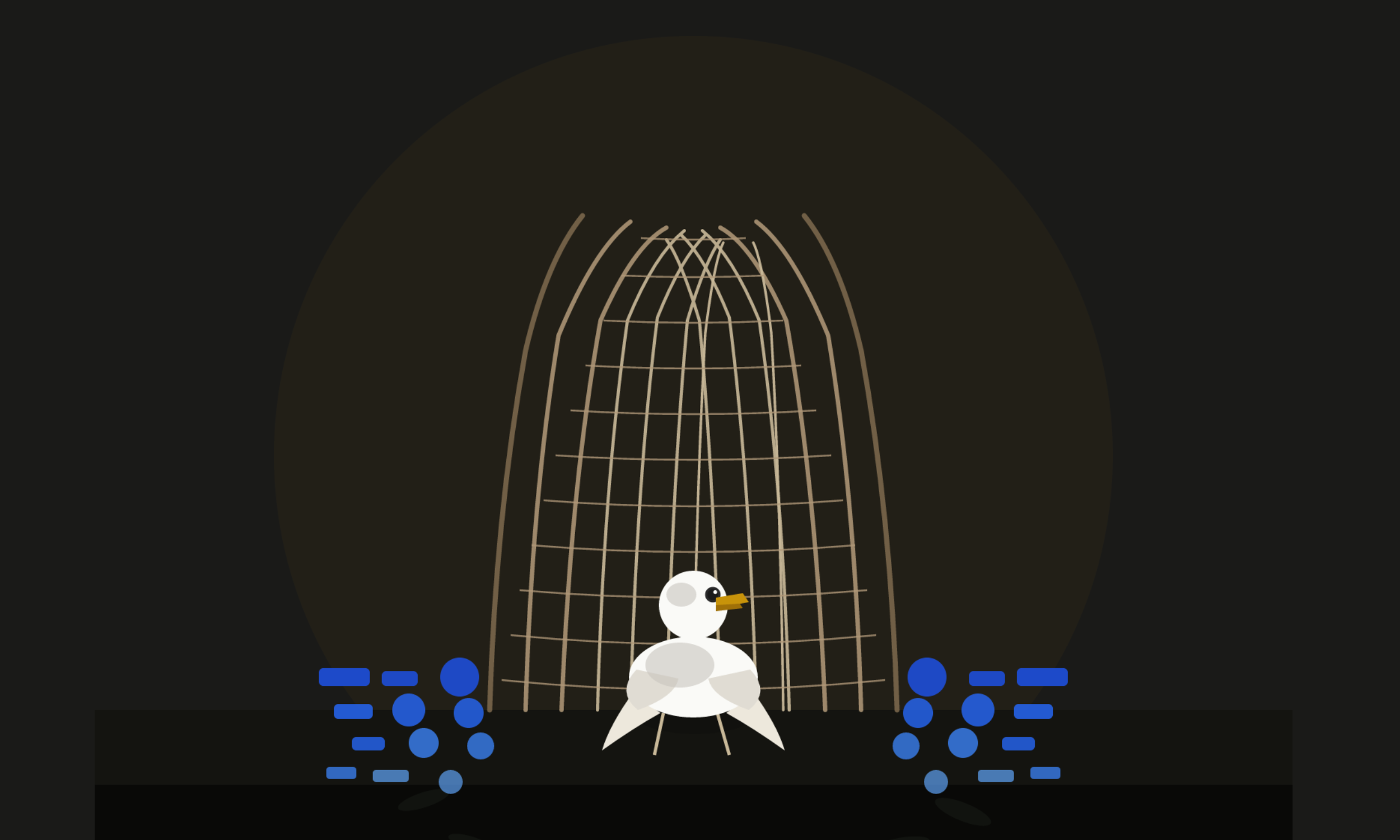
THE BOWERBIRD METAPHORA brand is a nest of perceptions.
Navigating Noise to Build Trust
Imagine stumbling through a dense forest. All the trees look identical, and you have no idea which direction you're heading. The noise of the world is like that forest—so much sameness, you don't know where to turn.
Then suddenly, you see a distinctive bower. It is unmistakable: composed of carefully arranged twigs, shaped just so, and adorned with blue objects. You know instantly what that is, the bird that made it, and why it's there.
That is what a powerful brand does.
A Nest of Perceptions
A brand is a nest of perceptions. It is not just what you say about yourself; it is the sum of the messages that your audiences gather, notice, remember, and repeat.
Native to Australia, the male Satin Bowerbird builds a bower to impress his mate. When the bird is young, the structure is scrappy and there are only a few blue objects scattered. But as the bird builds and the bower matures over time, it becomes well-formed, deliberate, and undeniably a bowerbird nest.
When well considered, a brand's reputation similarly matures. Think of the bower as the business's overarching reputation. The blue objects are the messages we receive about the brand. Those messages come in varied manners across different platforms—a social post, a sales pitch, a media release—but like the blue objects around the bowerbird's nest, they are distinctly yours. In this case, always blue.
When a brand's reputation is immature, its messages are scattered, inconsistent, and sometimes at odds, forcing audiences to guess the story. But as you refine your brand positioning through relentless consistency, your brand becomes distinctive.
In a world drowning in noise and mixed signals, that consistency is how you build authenticity. Authenticity is the direct path to trust.

Every message your organisation sends helps form brand perception. Placed with intention, over time your brand becomes unmistakable and your message irrefutable.
HUMAN AND MACHINEThe Two Audiences You Must Win
Today, building a distinctive reputational bower is critical because you are trying to earn trust from two entirely different audiences:
People need consistency to cut through the digital noise and feel secure in choosing you.
AI (which now drives over half of all web traffic) demands absolute consistency across "canonical" sources of truth to rank and refer you via Answer Engine Optimisation (AEO) and Generative Engine Optimisation (GEO).
If your digital footprint is scattered, both humans and algorithms get lost in the forest. They cannot trust what they cannot clearly identify.
30 YEAR OF PRACTICEA Method to Build and Earn Trust
The Bowerbird Method™ was honed over three decades of corporate communications and public relations advisory. It takes the sophisticated, enterprise-level communications thinking usually reserved for larger enterprise and public affairs budgets and packages it for young practitioners, founders, and SMEs.
The Method is the sequence you should follow to build your brand with disciplined execution:
Know Your People (Audience Mapping)
Know Who You Are (Perception Strategy)
Proof Over Promises (Authentic Key Messaging)
The ultimate outcome of implementing the Bowerbird Method™ is that of earned trust.
Follow this method to build an unmistakable bower, one consistent message at a time, until the perception of your business is irrefutable. Your brand becomes the singular thing your target audiences recognise, understand, and trust.
STAGES OF MATURITY
The Three Maturity Stages
These stages describe the maturity of your communications foundation—not your overall reputation.
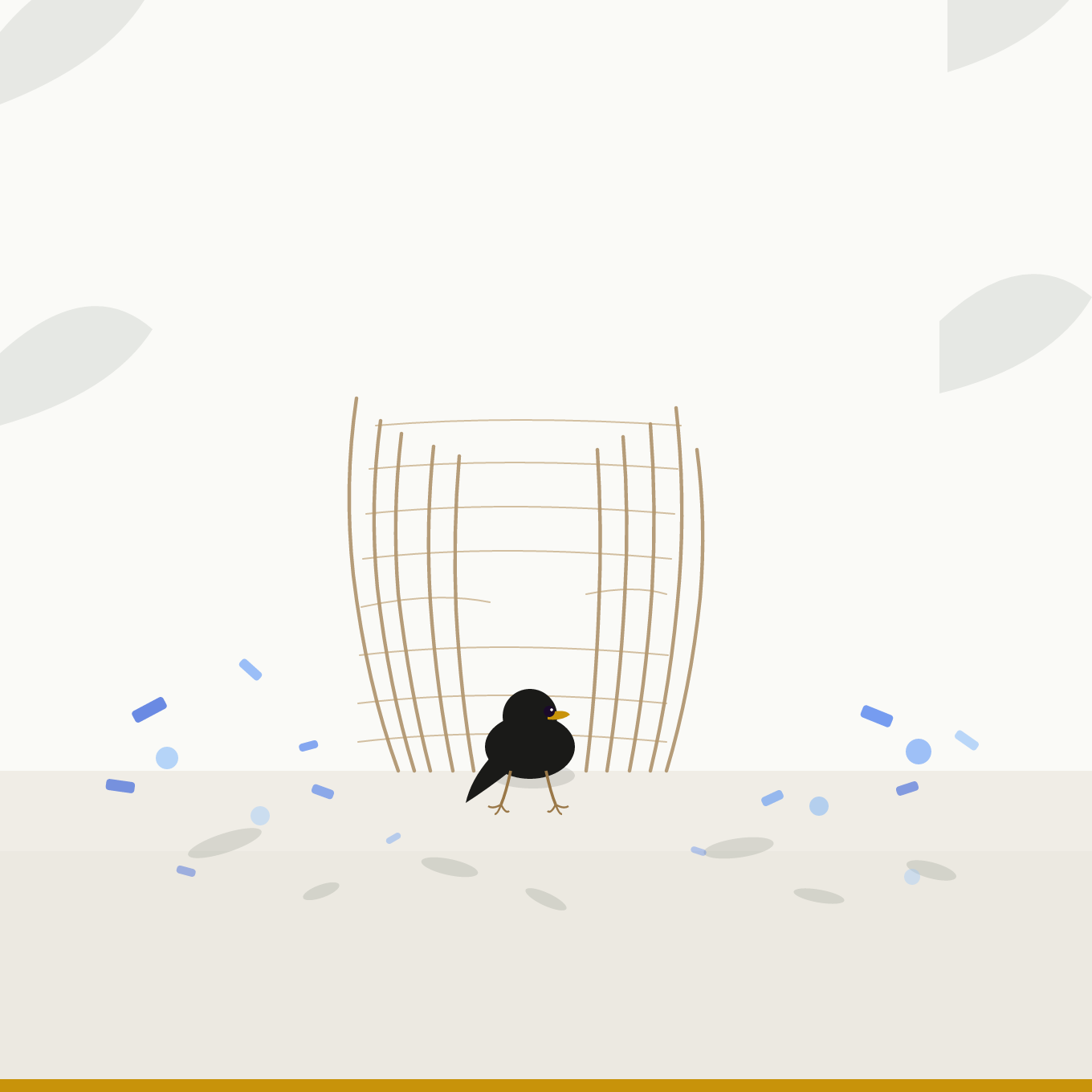
Stage 01 · Scattered Foundation
Messages are reactive or inconsistent. Audiences are left to form their own explanation.
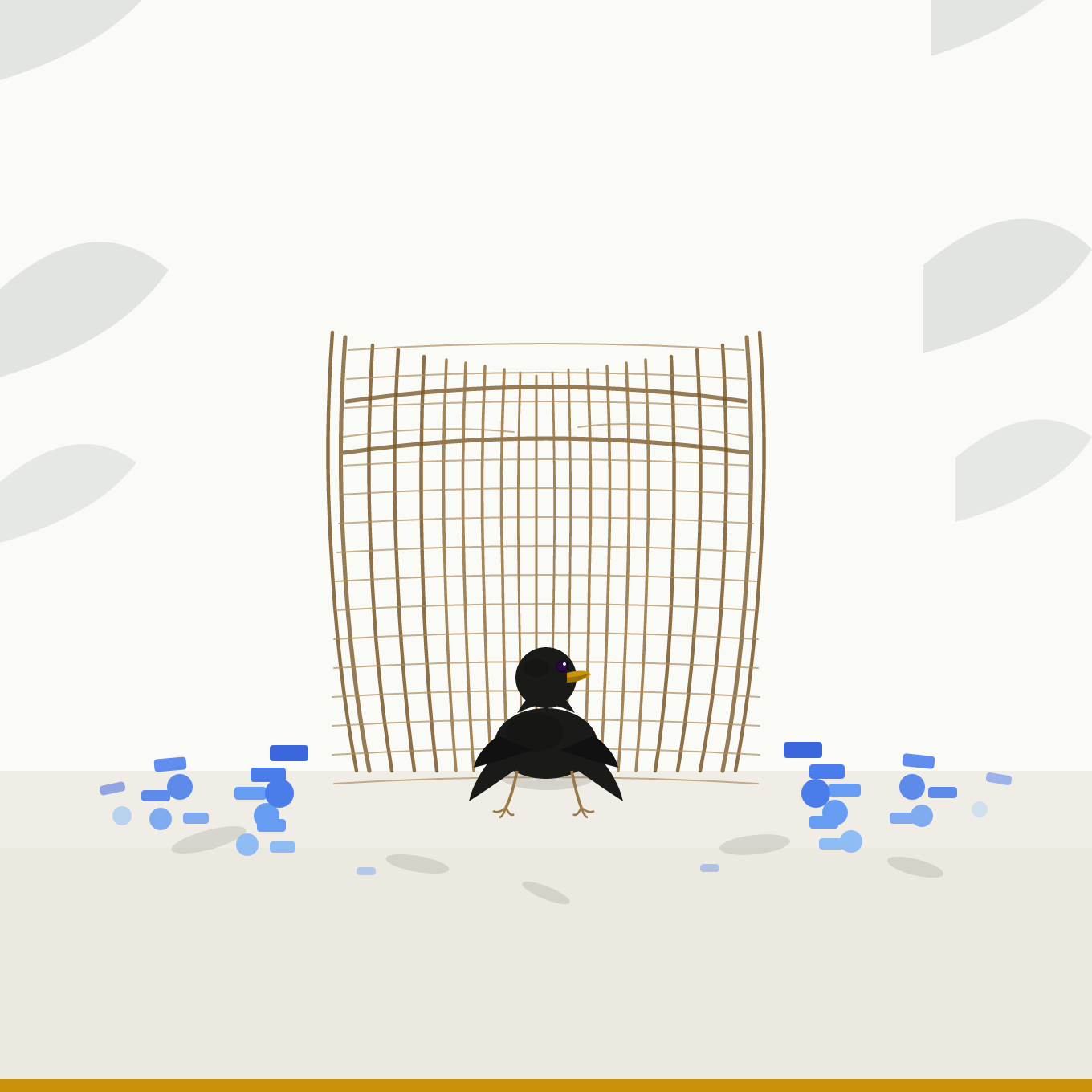
Stage 02 · Aligning Foundation
Core messages exist but are not yet embedded across your people, channels, and communications.
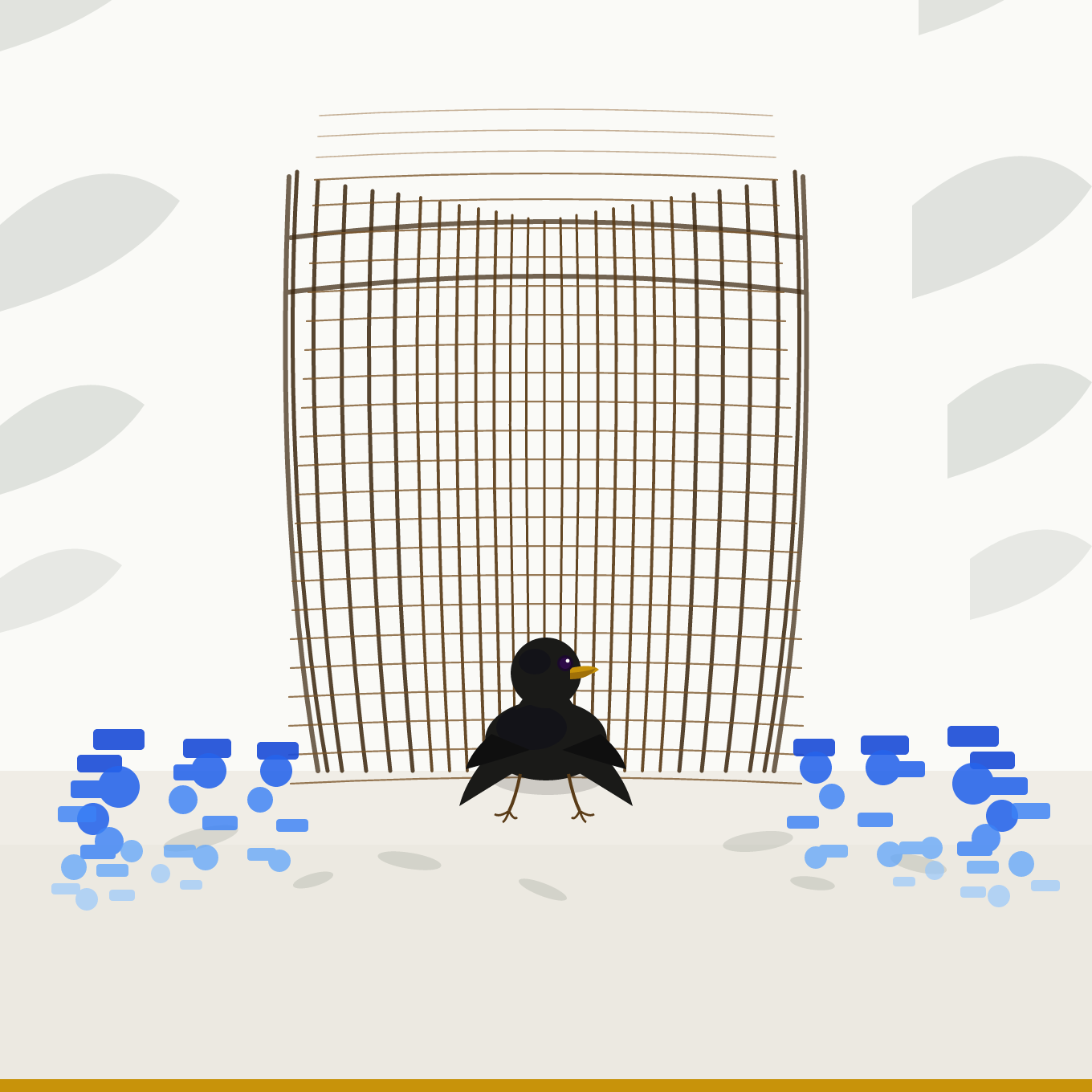
Stage 03 · Coherent Foundation
Audiences, messages, evidence, and communications reinforce one another to build understanding and trust over time.
The 11-Step Sequence
THE SEQUENCE
01 — Target Audiences
FocusWho matters, and what do they need to understand?
OutputA mapped audience and stakeholder set.
Used later forPositioning, messages, channels, tactics, and activation.
02 — Foundation Diagnostic
FocusEvaluate your leadership messaging and identify your primary gaps.
OutputA practical view of gaps, strengths, and starting point.
Used later forPriorities and implementation focus.
03 — Brand Positioning
FocusDefine what your organisation stands for, what makes it unique, and why people care.
OutputA core position and supporting message architecture.
Used later forProof, spokespeople, content, media, and campaigns.
04 — Communications Audit
FocusEvaluate whether your current website, media, and marketing content reinforce or undermine your positioning.
OutputA view of existing materials, gaps, and inconsistencies.
Used later forContent fixes, message alignment, and channel decisions.
05 — Competitive Analysis
FocusMap competitor messaging and claims to expose clear positioning opportunities you can own.
OutputA clearer view of competitor claims, gaps, and opportunities.
Used later forDifferentiation, positioning, and proof selection.
06 — Communications Tactics
FocusAnchor your media pitches, LinkedIn thought leadership, and press releases directly to your strategy.
OutputA tactics set connected to audiences and messages.
Used later forActivation, responsibilities, and measurement.
07 — Spokesperson Roles
FocusEstablish clear responsibilities, authority limits, and message guidelines for everyone speaking on your behalf.
OutputDefined spokesperson roles and message responsibilities.
Used later forInterviews, events, issues, and public consistency.
08 — Issues Preparedness
FocusIdentify potential reputation risks and ready your holding statements before a crisis occurs.
OutputLikely issues, holding lines, and preparation priorities.
Used later forSafer activation and more confident spokespeople.
09 — Competitive Positioning Matrix & KPIs
FocusBuild your tracking dashboard and establish measurable performance indicators.
OutputPositioning priorities and measures connected to communications activity.
Used later forTracking, reporting, and decision-making.
10 — Outcomes-Action Matrix
FocusConnect your tactical outputs directly to desired changes in audience perception and behaviour.
OutputA practical set of outcomes, actions, and owners.
Used later forThe 90-day activation plan.
11 — 90-Day Activation Plan
FocusTransform your newly built architecture into a phased, accountable 90-day roadmap.
OutputA sequenced 90-day communications plan.
Used later forImplementation, review, and maintenance.
To move your organisation from a scattered foundation to a coherent one, this system maps your communications into 11 connected steps. Each step produces an output required by the next, ensuring consistency before you build content.
You'll learn how to execute the entire order:
"The Bowerbird Method™ is really well done. The construct is clever and a smart way to get the reader to understand the methodology."
— Gordon Price Locke, expert on emerging brand trends and brand story technology.-
Know Your People means identifying every group that can affect or be affected by the organisation, and what each needs to understand.
Know Who You Are means defining the single most important truth about the organisation and the positioning that carries it.
Proof Over Promises means testing every claim and documenting the evidence behind it.
-
The model describes how a communications foundation matures:
Immature, where messages are reactive or inconsistent and audiences form their own explanation;
Maturing, where messages exist but are not yet embedded across people, channels and activity; and
Mature, where audiences, messages, evidence and activity reinforce one another.
These stages describe communications maturity, not the total reputation of an organisation.
-
No. The value is in the sequence. The Method shows you what to do first, what each step produces, and how the output of one step becomes the input for the next. You may have seen a stakeholder map, a message house or a communications plan before; the Method shows how they connect and in what order to build them.
-
No. Beginners receive a guided path that explains the principles in plain language. Experienced practitioners can use it as a complete, repeatable operating system.
-
No. The Method is an educational and planning system. Outcomes depend on the quality of your inputs, decisions, evidence, implementation, market conditions and many other organisational factors.